
Guide
Buyer Checklist: Bell Bottom Jeans Fabric Weight Guide
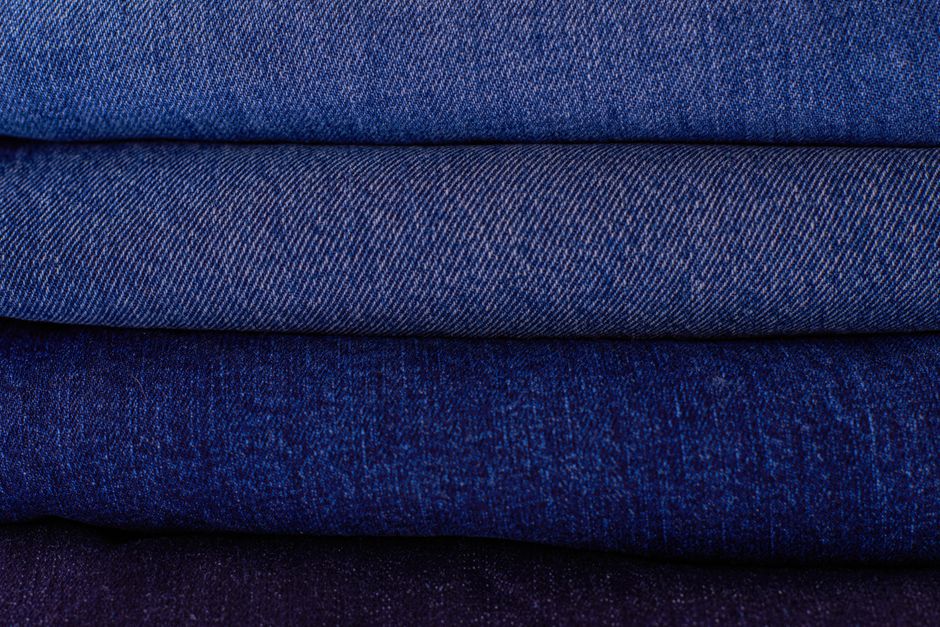
Read the Ounce Number Before the Weight Label
A useful bell bottom jeans fabric weight guide starts with published ounces per square yard, not seller labels. CottonWorks places finished denim across 3.5 to 16.5 oz/yd2. It says shirts typically use 3.5 to 8 oz/yd2, while trousers, jeans, and jackets tend to use 8 to 16.5 oz/yd2.
Category names vary. Candiani calls below 12 oz lightweight, 12 to 16 oz midweight, and over 16 oz heavyweight. ZEVA and Tailored Jeans use different ranges.
Because sources use different boundaries, this guide uses Candiani's bands as a practical comparison, not an official rule. Record the actual ounce figure, then match it to the intended result: softer lightweight movement, balanced midweight shape and comfort, or heavyweight structure. If no number is published, mark fabric weight as (not visible).
Check Lightweight Denim for Flow and a Cleaner Break
Here, lightweight means below 12 oz. ZEVA describes 4 to 7 oz denim as flexible with a soft drape, and Tailored Jeans recommends 9 to 10 oz for warm-weather jeans. In men's bell bottom jeans, it lets the lower leg move easily instead of holding a rigid outline.
That softer flow makes flare definition change more as the wearer walks or sits. It suits buyers wanting easier knee movement, but weight alone cannot guarantee the silhouette.
Check the hem with the planned footwear. Pant Project says lighter fabrics suit cleaner breaks, but inseam, leg-opening width, and shoe height still determine where the hem lands. Approve the break while standing and walking in the actual shoes.
Use Midweight Denim as the Balance Point
Using the practical 12 to 16 oz band, midweight denim balances lightweight flow and heavyweight structure. ZEVA says its 8 to 12 oz band balances structure with moderate softness. Tailored Jeans recommends 10 to 13 oz for everyday wear because it holds shape without feeling stiff.
For regularly worn bell bottoms, check whether the fabric defines the knee-to-hem expansion without resisting movement. Midweight denim usually makes the flare clearer than lightweight fabric without heavyweight denim's longest break-in demands.
Do not approve from ounces alone. Compare thigh and knee fit, leg opening, and rigid or stretch construction. Yarn type, blend, wash, and weave can make equal-weight fabrics drape and breathe differently.
Give Heavyweight Flares Room to Move
Here, heavyweight means over 16 oz. ZEVA says 13 oz and above provides structure and shape retention, while Tailored Jeans says heavier denim holds sharp silhouettes. In a flare, that tendency creates a clearer knee-to-hem line instead of a soft drape.
More structure brings comfort tradeoffs. Candiani says heavyweight denim generally requires looser fits because it can restrict movement and abrade skin in skinny fits. Denimhunters calls 16 oz and above heavyweight, notes a few weeks of break-in, and recommends looser fits for airflow in hot weather.
Check thigh and knee room before the opening. Pant Project says heavier fabrics may suit fuller breaks and relaxed or wide-legged cuts. A fuller break is not automatic: longer pants create fuller breaks, while shorter pants create cleaner ones, so verify inseam and shoes.
Check Construction and Fit Before Choosing
Evidence supports using weight as a tendency rather than a promise. A denim study tested non-stretch fabrics at 250 and 300 g/m2 and stretch fabrics at 350 and 400 g/m2. As weight increased, flexural rigidity and drape coefficient increased; at fixed elastane content, stretch and air permeability decreased.
A 2024 study tested 15 samples of 3/1 Z twill denim. Yarn type and blending ratio together explained 74% to 99% of variability in washed weight, shrinkage, stiffness, tensile strength, tear strength, and air permeability. Among rigid samples, the 25% polyester blend had the lowest air permeability at 127.4 mm/s; the 100% polyester sample was 27% higher.
Run a product-level check: actual ounces, fiber percentages, elastane content, rigid or stretch construction, wash, thigh and knee fit, leg opening, inseam, and intended shoes. A controlled study comparing men's bell bottoms across weights while holding those variables constant is (not visible). Use weight to narrow the choice, then approve the full specification and fit. Mark unpublished specifications (not visible).
Frequently asked questions
What denim weight is best for men's bell bottom jeans?
There is no single best weight. Below 12 oz favors softer movement, 12 to 16 oz offers a practical balance, and over 16 oz favors structure, but these bands are guidance rather than official standards.
Does heavier denim make a flare look wider?
Heavier denim tends to resist bending and hold sharper angles, which can make flare definition clearer. It does not determine actual width; knee fit, leg opening, pattern geometry, wash, and blend also matter.
Are heavyweight bell bottoms comfortable?
They can be, but heavyweight denim may restrict movement, take a few weeks to break in, and need a looser fit for comfort and airflow. Check room through the thigh and knee.
Does denim weight determine pant break?
No. Heavier fabric may suit a fuller break and lighter fabric a cleaner break, but inseam, leg opening, shoe height, and how the hem contacts the shoe determine the result.
Can two pairs with the same denim weight drape differently?
Yes. Research found that yarn type and blending ratio together explained 74% to 99% of variability across several tested denim properties, including stiffness and air permeability, so compare construction and fiber content too.
Sources
- CottonWorks: Denim Basics
- Candiani Denim: Denim Weights, What They Mean and Why They Matter
- Influences of Elastane Content, Aesthetic Finishes and Fabric Weight on Denim Fabrics
- A Comparative Analysis of Denim Fabric Performances from Cotton/Polyester Blended Rigid and Stretched Yarns
- ZEVA Denim: Denim Drape Engineering
- Tailored Jeans: Your Denim Weight Does Matter
- Pant Project: What Is Pant Break?
- Denimhunters: The Best and Toughest Heavyweight Selvedge Jeans