
Guide
How to Choose Men's Flare Jeans for Comfort and Fit
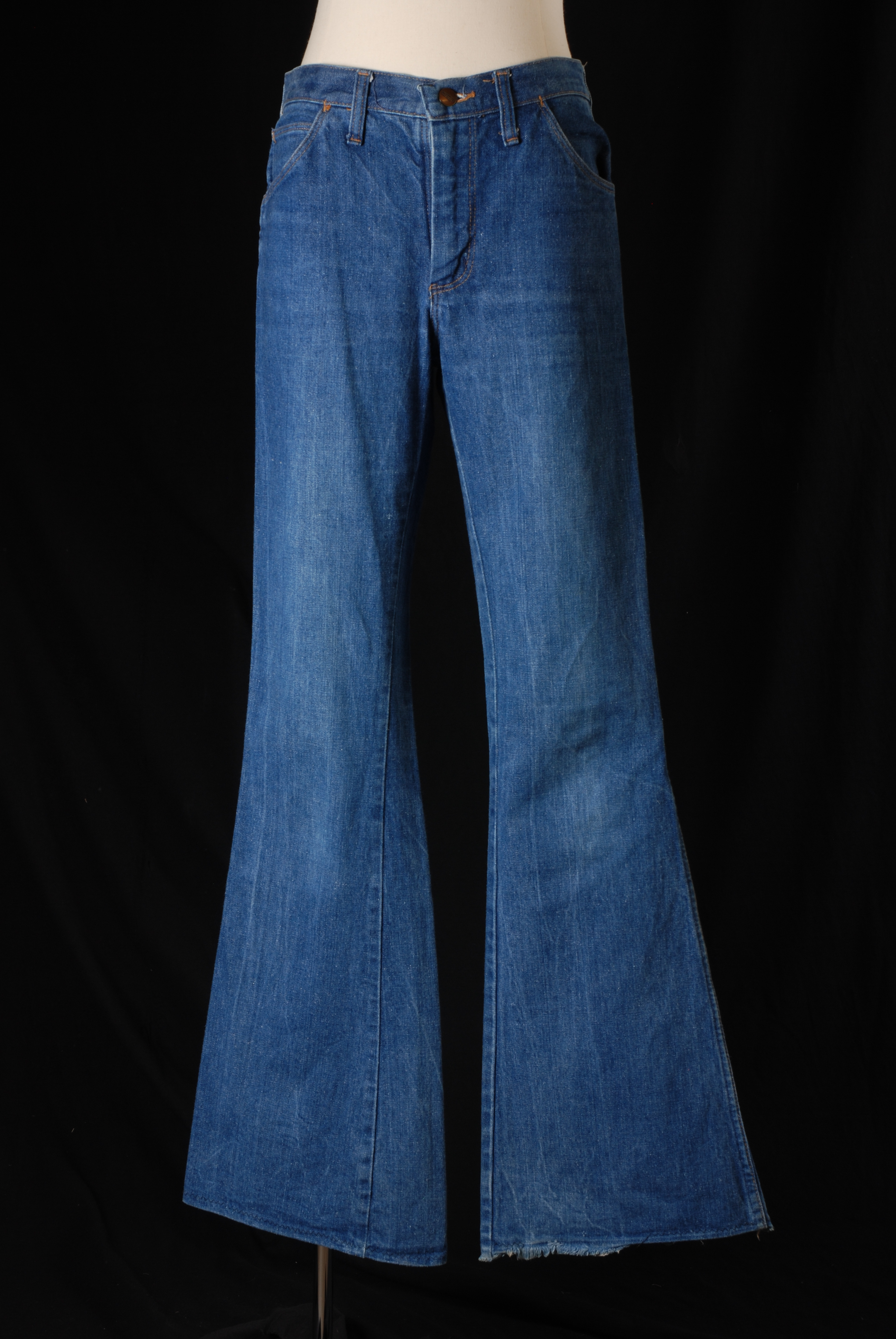
Start With Comfort and Fit, Not the Flare Label
Cotton Incorporated's U.S. denim outlook reports that 88% of consumers rate comfort very important and 88% say the same about fit. Quality follows at 83%, durability at 82%, value at 78%, and fabric at 75%.
Cotton Incorporated's 2024 Sizing Survey found that 81% of U.S. consumers consider size or fit important when choosing where to shop. For pants, 40% of plus-size and 44% of standard-size consumers reported a poor-fit area; hips, waist, and length were problem zones.
Check waistband comfort while standing and sitting, then assess the seat and thigh. Universal ease thresholds are (not visible). If selected-size garment measurements are unpublished, those fields remain (not visible).
Measure the Whole Silhouette
Fit the jeans as a connected shape: waist position, front rise, seat, thigh, knee, leg opening, and length. A correct hem flare or waist number cannot compensate for pinching, pulling, or poor break over shoes.
Levi's Sta-Prest Flare provides a concrete comparison record. It is described as regular through the thigh, sitting below the waist, with a bootcut leg. For size 32, the listed front rise is 11 7/8 inches, the knee is 19 3/4 inches, and the leg opening is 21 1/2 inches. Use those figures as one product's specifications, not as universal ideal measurements.
When comparing the best men's flare jeans brands, record the measured size, verify the exact SKU, and mark missing specifications as (not visible). The evidence pack establishes no preferred men's flare rise or opening.
Read Fabric and Stretch Evidence Separately
Read the fiber label and performance description separately. Levi's lists the Sta-Prest as 62% cotton, 19% lyocell, and 19% polyester, yet non-stretch. Percentages alone do not guarantee softness, comfort, recovery, or lifespan.
Cotton is a preference signal, not a performance guarantee. In the U.S. denim outlook, 63% prefer cotton denim. In the sizing survey, 80% of plus-size and 69% of standard-size consumers prefer cotton or cotton blends; 69% and 60%, respectively, look for stretch.
If stretch matters, request recovery or growth evidence. ASTM D3107-26 measures stretch, growth, and recovery for woven fabrics with high stretch above 12%. ASTM does not recommend it for commercial-shipment acceptance because between-laboratory precision is poor. Ask for the method, result, and tested fabric.
Check Durability With Context
Ask for abrasion, seam, tear, shrinkage, or colorfastness results, plus construction and finishing details. Comparable third-party results for current men's flare-jeans models are (not visible), so the evidence does not support a lifespan ranking.
ASTM D3884-22 covers textile abrasion resistance using a rotary platform abrader. Fiber properties, yarn structure, fabric construction, and finishing affect results. ASTM cautions that abrasion resistance is only one contributor to wear performance, so it cannot promise a number of wears.
Care affects ownership effort. Levi's says to wash the Sta-Prest at most once every 10 wears using a cold synthetic or permanent-press cycle. If that conflicts with your routine, a low ticket price may still be poor value.
Verify the Label and Ownership Terms
Before checkout, verify the label. The U.S. Federal Trade Commission says most textile and wool products must list fiber content, country of origin, and the manufacturer or responsible business. Manufacturers and importers must also provide cleaning instructions.
Check returns, exchanges, final-sale exclusions, fees, warranty coverage, and return shipping. Physical access remains useful: 54% of U.S. consumers buy jeans mostly or entirely in stores, 36% split evenly, and 10% buy mostly or entirely online. Among store buyers, 51% cite fit, 51% trying before buying, and 35% touching the product.
Online, compare measurements with a pair you own, inspect the label and fabric images, and read the return policy beside the size chart. Mark absent terms as (not visible).
Make a Value Decision From Disclosed Facts
There is no evidence-backed universal good-value price. Compare fit measurements, fabric, recovery evidence, construction, care, returns, warranty, and delivered price. Price should not override missing fit information.
The Levi's Sta-Prest was listed at $98, or $49.98 on sale when captured. That is product-specific context, not a market benchmark. Its disclosed specifications support comparison beyond price.
Buy when upper-block fit and length are credible, the flare matches your goal, and fabric and care suit regular use. If crucial dimensions, recovery evidence, or returns are (not visible), ask the seller or choose a better-documented pair.
Frequently asked questions
What fit points should I check before buying men's flare jeans?
Check the waistband, seat, thigh, rise, knee, leg opening, and length on the exact size. A universal ease allowance is (not visible).
Does stretch fiber guarantee comfortable flare jeans?
No. Fiber percentages alone do not establish comfort or recovery. Ask for stretch, growth, and recovery results and the method used.
What measurements does the Levi's Sta-Prest Flare list?
For size 32, it lists an 11 7/8-inch front rise, 19 3/4-inch knee, and 21 1/2-inch leg opening.
How can I judge durability before purchase?
Look for construction details and disclosed abrasion, seam, tear, shrinkage, or colorfastness testing. Comparable third-party model results are (not visible).
What must appear on a U.S. textile label?
The FTC says most textile products must identify fiber content, country of origin, and the manufacturer or responsible business; cleaning instructions are also required.
What makes men's flare jeans good value?
Compare fit confidence, construction, care burden, returns, warranty, and delivered price. No universal evidence-backed good-value price is visible in the pack.
Sources
- Supply Chain Insights: Denim Jeans Outlook (U.S. Consumers)
- Supply Chain Insights: Sizing Up Consumer Preferences
- Sta-Prest Flare Men's Jeans
- D3107 Standard Test Methods for Stretch Properties of Fabrics Woven from Stretch Yarns
- D3884 Standard Guide for Abrasion Resistance of Textile Fabrics
- Apparel and Labeling