
Guide
ASTM Men's Bell Bottom Jeans Tear Strength Test Guide
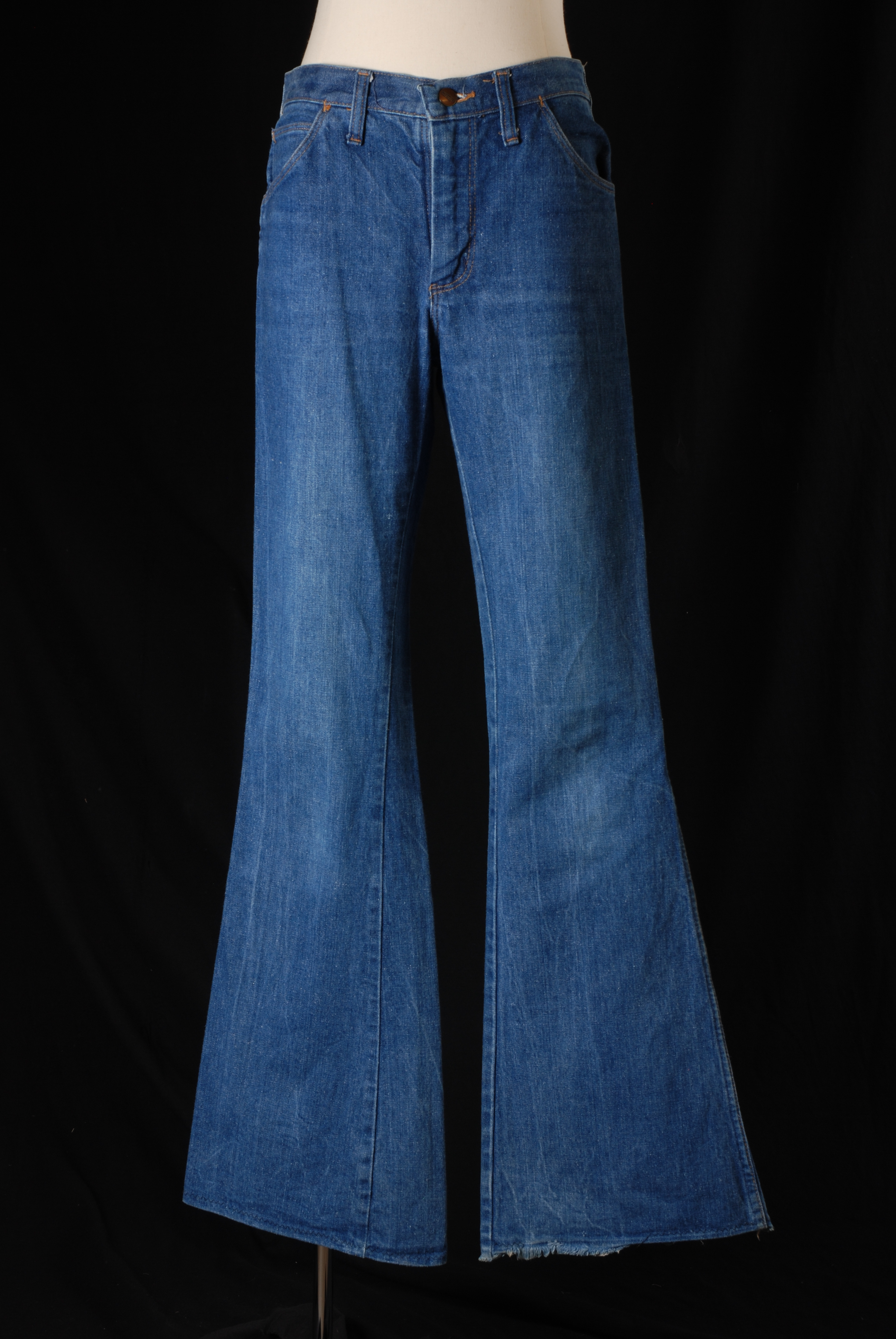
Start With The Method Name
Use this men's bell bottom jeans tear strength test guide to separate a real fabric report from vague durability copy. A buyer should see ASTM D1424-25, ISO 13937-1, or both, because the pack ties both standards to Elmendorf pendulum tear-force testing.
ASTM lists D1424-25 as active and last updated Dec. 24, 2025. ISO lists ISO 13937-1:2000 as a 10-page textile tear-property standard, published Apr. 6, 2000 and confirmed in 2023.
Read The Tear Force Correctly
ASTM D1424 covers the force required to propagate a single-rip tear that starts from a cut in fabric with a falling-pendulum Elmendorf-type apparatus. The ISO sample uses the same practical idea: force required to propagate a tear initiated under specified conditions.
For men's bell bottom jeans, the test concerns fabric tear propagation. The pack does not prove seam-strength values, snag resistance, or whole-garment failure thresholds for WBestWind denim.
Require Warp And Weft Results
A useful report should split tear force by fabric direction. The ISO sample says tear force is qualified as across warp or across weft, depending on whether warp threads or weft threads are torn.
It also calls for two specimen sets from each laboratory sample: warp and weft. Each set should include at least five specimens, and no specimen should be cut within 150 mm of the fabric edge. A blended number hides the weaker direction.
Check Denim-Ready Test Capacity
Denim can push a lab toward higher-capacity Elmendorf equipment. James Heal lists ASTM D 1424 and EN ISO 13937-1 on its ElmaTear page, and says the optional heavy duty E pendulum weight is suitable for heavier materials like denim and doubles standard capacity from 64 N to 128 N.
SDL Atlas lists an 8 N to 64 N Manual Elmendorf range, included 8 N, 16 N, 32 N, and 64 N weights, an optional 128 N kit, and units mN, cN, N, g, Kg, oz, and lb. Ask range and unit before comparing reports.
Keep Fit Specs Separate From Tear Specs
Bell bottom jeans men buy often have visible fit measurements, but fit does not replace fabric evidence. Levi's 517 bootcut page says the jean was made in 1969 to fit over boots and lists size-32 measurements: front rise 11 1/2, knee 17 1/4, and leg opening 18 1/4.
Those are fit specs, not tear-force values. The pack does not prove that wider hems or boot openings alone raise fabric-tear risk versus straight-leg jeans. Use boot opening, knee, and rise to judge silhouette; use ASTM D1424 or ISO 13937-1 reporting to judge tear propagation.
Buyer Checklist For WBestWind Shoppers
For bell bottoms for men, ask for the method version, warp and weft averages, specimen count, units, pendulum range, and wet or dry condition. ASTM D1424 says instructions exist for specimens with or without wetting, so the condition belongs in the report.
Also ask for fiber and yarn context. A 2021 Heliyon denim study used 42 tex 100% cotton warp, 30 tex cotton-polyester core-spun weft at 70:30, 30:70, 60:40, and 40:60, and weft spandex at 1.8% to 2.5%. Higher-cotton specimens had lower tensile and tearing strength.
Public evidence does not show WBestWind-specific ASTM D1424 tear-force results, a universal pass/fail threshold for casual denim bell bottoms, or exact D2C buyer certificate fields. Treat those as (not visible), then use the men's bell bottom jeans tear strength test guide as a request checklist before relying on a durability claim.
Frequently asked questions
What should buyers check first in a men's bell bottom jeans tear strength test guide?
Check the named test method first: ASTM D1424-25, ISO 13937-1, or both. Then check warp and weft results, specimen count, units, pendulum range, and wet or dry condition.
Does ASTM D1424 set a pass/fail tear threshold for casual bell bottom jeans?
The evidence pack does not show a universal ASTM D1424 pass/fail threshold for casual denim bell-bottom or flare jeans. Mark any missing threshold as (not visible).
Why do warp and weft tear results matter for men's bell bottom jeans?
The ISO sample qualifies tear force as across warp or across weft and calls for separate specimen sets. Direction-level reporting helps buyers see which yarn direction tore lower.
Does a wider leg opening prove higher fabric-tear risk?
No source in the pack proves that wider hems or boot openings alone increase fabric-tear risk. Use fit specs for silhouette and Elmendorf tear results for fabric propagation force.
Which Elmendorf tester range should denim buyers look for?
The pack shows common Elmendorf ranges up to 64 N, with optional 128 N capacity. James Heal specifically calls its optional E weight suitable for heavier materials like denim.
Sources
- ASTM D1424-25 Standard Test Method for Tearing Strength of Fabrics by Falling-Pendulum (Elmendorf-Type) Apparatus
- ISO 13937-1:2000 Textiles - Tear properties of fabrics - Part 1: Determination of tear force using ballistic pendulum method (Elmendorf)
- ISO 13937-1:2000 sample PDF
- ElmaTear - Elmendorf Tester
- Elmendorf Tearing Testers
- Fabrication and characterization of stretchable denim fabric using core spun yarn
- Levi's Men's 517 Bootcut Jeans
- Tear Strength Tester for Textiles: A Buying Guide