
Guide
Men's Bell Bottom Jeans vs Bootcut Jeans: Guide
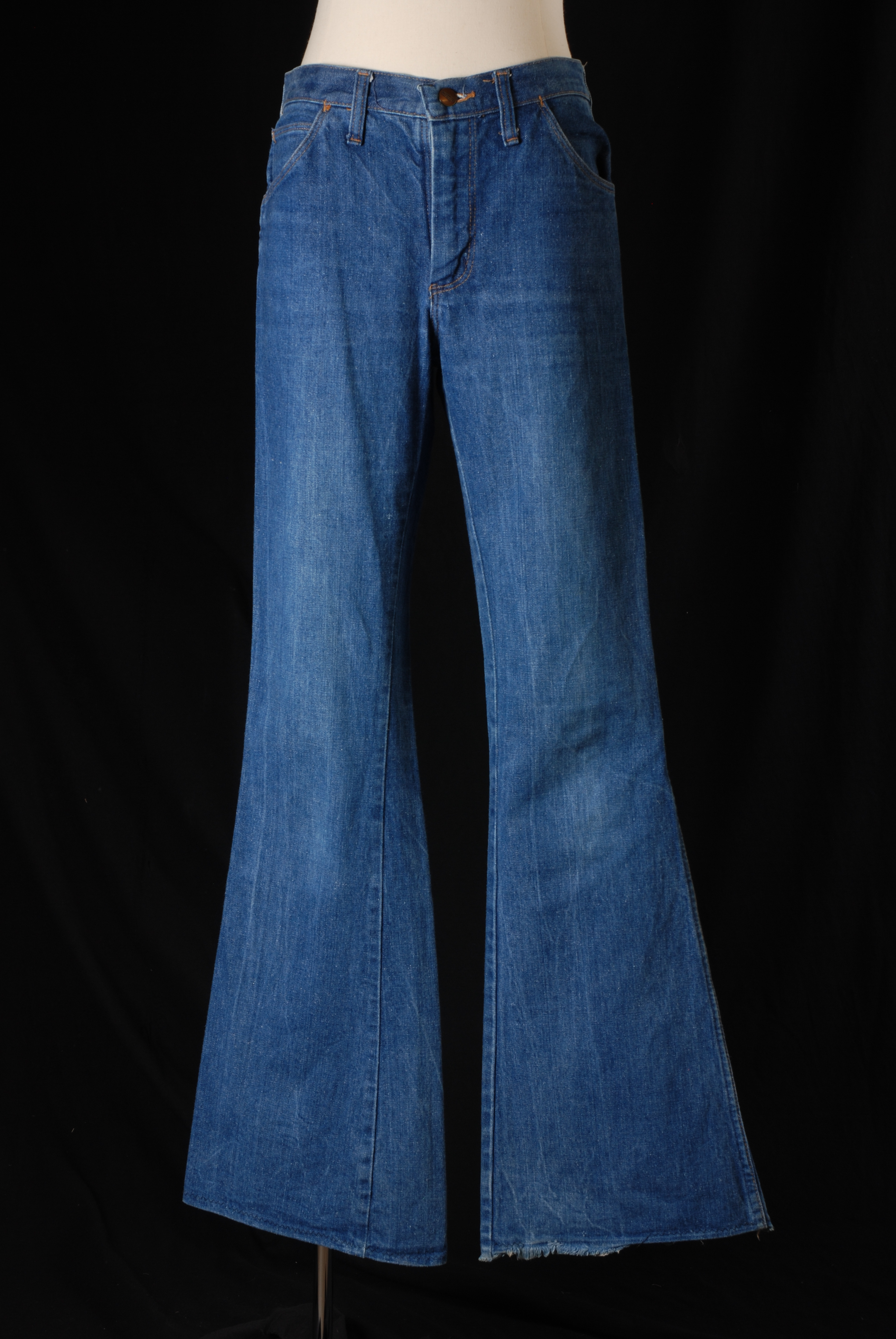
Measure the Opening Before Trusting the Label
Men's bell bottom jeans vs bootcut jeans are easiest to separate by disclosed shape and measurements, not by a retailer's label. Ask for the leg opening in the size you plan to buy, the knee measurement if available, and a clear statement of where widening begins.
Two current men's bootcut references are close together: AE lists a 17.5-inch leg opening, while Wrangler lists 18 inches. The Wrangler pair is slim, low rise, has a 10 3/8-inch front rise, and widens from the knee downward. Lee likewise defines bootcut as snug through the waist, hips, and thighs before gradually widening from the knee to the hem.
The bell-bottom examples are visibly broader on paper. LCJ lists a 22.5-inch hem opening; Madcap lists a 24-25-inch flared hem and a slim thigh before the knee flare. These figures are comparison anchors, not a universal classification rule. An exact inch boundary where bootcut becomes bell bottom is (not visible).
Confirm Where the Flare Begins
Both silhouettes can widen from the knee, so flare start alone does not settle the choice. The useful distinction is how quickly and how far the leg expands below that point.
Wrangler explicitly says its bootcut widens from the knee downward, and Lee describes a slight, gradual flare from the knee. Madcap also keeps the thigh slim before flaring at the knee, but its 24-25-inch hem creates a stronger lower-leg statement. Historical context supports the vocabulary: the European Fashion Heritage Association says flares are also called bell-bottoms and describes later boot-cut as a less-wide flare.
Match the Hem to the Shoe
Bootcut began as a shoe-accommodating shape. Vogue describes it as slim through the thigh and knee with a subtle hem flare, while Lee says it was designed to fit over boots. That makes bootcut the lower-drama starting point when the goal is coverage rather than a pronounced bell.
A 22.5-25-inch bell-bottom hem gives more visual volume than the 17.5-18-inch bootcut examples, but length still decides whether that volume hangs cleanly, stacks, or drags.
Choose the Level of Outfit Drama
Choose men's bell bottom jeans when the expanding lower leg is meant to lead the outfit. The LCJ and Madcap measurements support a pronounced retro outline, especially with a fitted thigh and footwear that holds the hem away from the floor.
Choose bootcut when you want the shoe accommodation and longer leg line without making the hem the main event. Vogue's January 2026 report describes bootcut as subtle and cites spring 2026 runway versions from Calvin Klein, Valentino, and Celine. InStyle also says bootcut and slightly flared cuts are gaining traction in 2026. Those editorial signals support bootcut as a current, restrained option; they do not prove a universal buyer preference.
Lock the Inseam Before Altering
Confirm waist and length separately, then test the inseam with the shoes you will actually wear. AE formats men's sizes as waist by length.
A wide flare carries more alteration risk because shortening removes fabric from a leg that is widening toward the floor. That can reduce the intended opening, although a reliable men's-specific figure for how much shape is lost is (not visible). Before buying bell bottoms for men, ask for the original inseam, opening, and alteration allowance, then decide whether the intended shoe can solve the length without hemming.
If tailoring is unavoidable, have the tailor pin both legs over the target shoes before cutting. Preserve the original measurements in writing so the expected change is explicit.
Use a Final Checkout Test
For subtle wear, start with bootcut and verify an opening near the disclosed 17.5-18-inch examples, knee-down widening, and adequate shoe clearance. For a true retro statement, compare men's bell bottom jeans against the disclosed 22.5-25-inch examples and require a fitted-thigh, knee-flare description or equivalent measurements.
Before checkout, record five items: opening, flare start, inseam, intended shoe, and acceptable alteration. If any core measurement is missing, treat it as (not visible) and use the return terms or a pre-purchase question to manage the uncertainty.
Frequently asked questions
What is the main difference between men's bell bottoms and bootcut jeans?
Bootcut is the subtler knee-down flare. In this evidence pack, bootcut openings are 17.5-18 inches, while bell-bottom examples are 22.5-25 inches; these are product examples, not a universal cutoff.
Do both bootcut and bell-bottom jeans flare from the knee?
They can. Lee and Wrangler describe bootcut widening from the knee, and Madcap describes its bell-bottom as slim through the thigh before flaring at the knee. Compare the rate and final width of expansion.
Which silhouette works better over boots?
Bootcut was designed around boots, but compatibility with a specific boot is not guaranteed. Compare the jean opening with the shoe's widest point and test the full inseam and hem break.
Can bell bottoms for men be hemmed?
Yes, but shortening a widening leg can reduce its intended opening. A reliable formula for the amount lost is (not visible), so pin the hem over the intended shoes before cutting.
When does bootcut read more current than a true bell bottom?
Choose bootcut when you want a restrained flare and controlled proportions. Vogue cited subtle bootcut styling and spring 2026 runway versions, while InStyle reported traction for bootcut and slightly flared men's cuts.
Sources
- Vogue: 6 Runway-Inspired Ways to Style Bootcut Jeans in 2026
- InStyle: The 11 Best Jeans for Men of 2026
- AE Original Bootcut Jean
- Wrangler Retro Slim Fit Bootcut Jean
- Lee Men's Bootcut Jeans
- LCJ Men's Flare Jeans Mid Wash
- Madcap Rock Retro Bellbottom Flares
- European Fashion Heritage Association: The History of Flares
- Men's Health: The 16 Best Jeans for Men
- British Vogue: 5 Ways to Style a Bootcut Jean