
Guide
Checklist: men's corduroy bell bottoms lint buildup
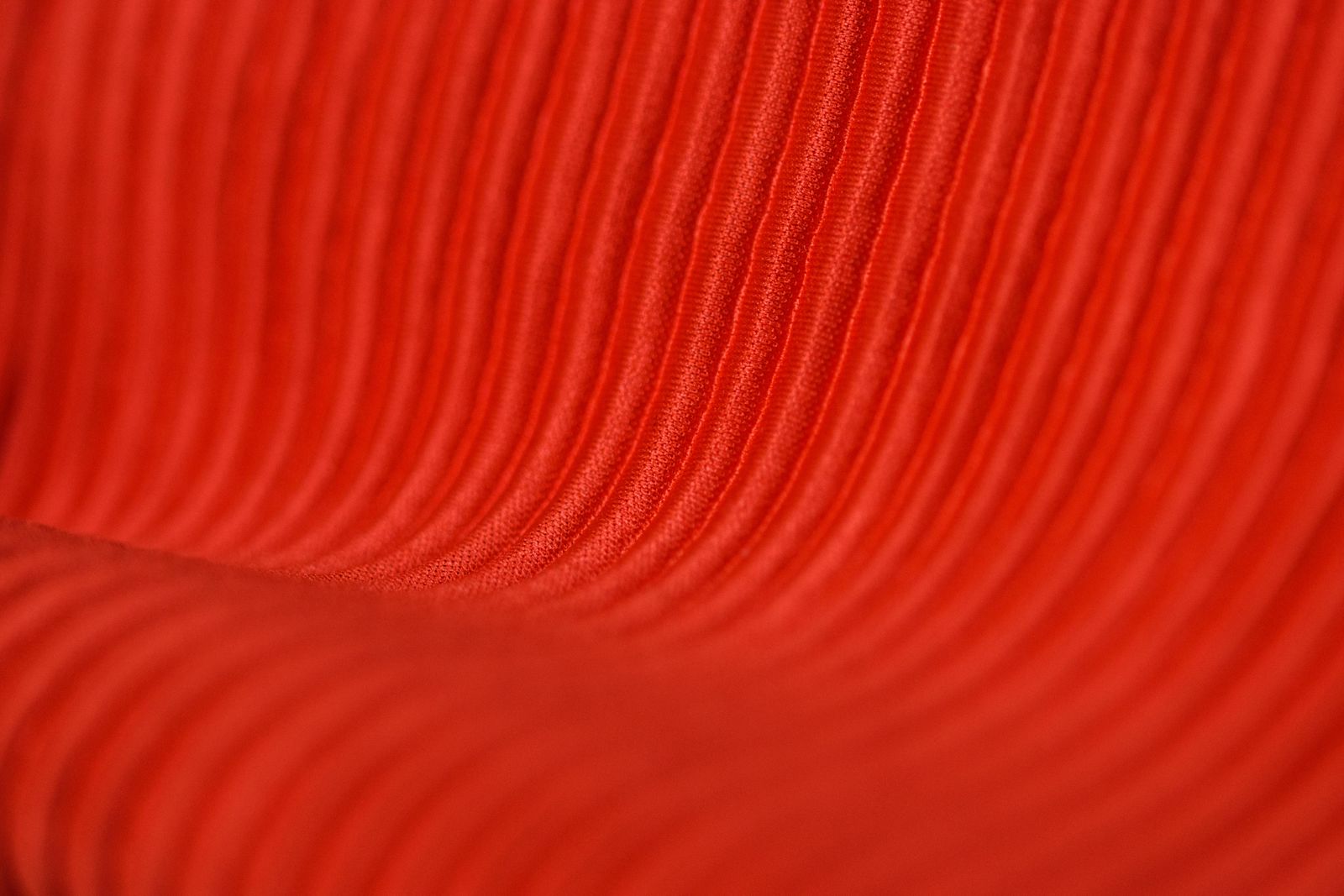
Why corduroy can retain laundry fibers
Lint caught in corduroy raises two questions: what shared the wash, and what care does this pair allow? Amundsen's corduroy care guide warns against washing corduroy with lint-producing fabrics.
Yutai Textiles' October 22, 2025 guidance explains that ribs and pile can trap fibers. This supplier explanation does not measure how much lint a particular pair will collect.
One CleaningTips wearer described microfiber or felt cleaning-cloth fibers sticking to fine corduroy in a shared wash. Rewashing and brushing did not resolve the problem.
That account offers no verified cure or recurring defect in men's flares. For embedded fibers, use the ordered steps below before attempting more treatment.
Request specifications for the exact men's flares
Madcap England's Killer Retro Mod 70s Cord Flares in Black list 100% cotton and 22 inch flared bottoms. Their care text says machine wash and refers buyers to the garment label for details.
The listing does not specify wash temperature, cycle or drying permission. Request a photograph of the full composition and care labels for the exact pair you intend to order.
For WBestWind, ask for the selected garment's composition and complete care label; these details still need confirmation. Madcap's specifications cannot stand in for another brand's product information.
When comparing men's corduroy bell bottoms, record fabric and care separately from fit. Neither cotton percentage nor flare width predicts lint buildup in these listings.
Use blend examples within their limits
Old Navy's Higher High-Waisted Corduroy Flare Pants, Product #758170, list cotton 67%, rayon 31% and spandex 2%, with an explicit lint warning. This women's product illustrates a fabric upkeep issue, not men's fit.
Its instructions permit cold inside-out washing and low tumble drying, subject to its label. Those permissions apply to that product; confirm care separately for another pair.
The comparison below shows what each listing tells you. Neither establishes which blend collects less lint. There is no tested ranking here by wale width, color or finish, either.
Use close-ups to frame questions for the seller. A photograph cannot establish lint resistance.
Check whether the laundry routine is workable
Before checkout or the next wash, consider how to keep these trousers away from towels, fleece and shedding cleaning cloths while following their own label. Amundsen recommends separating lint-producing laundry.
Henry Textile's December 27, 2024 guidance also supports laundry separation and checking garment care instructions. Decide whether your available loads and drying methods fit the selected pair's requirements.
Amundsen describes 10 minutes on low heat for crease removal before air drying. This is not a proven lint-removal time or permission to tumble dry every corduroy garment.
If your drying method conflicts with the label, settle that mismatch before buying. Another brand's dryer advice cannot authorize treatment of trousers you already own.
What to do when fibers are already embedded
1. Document the fibers with close-up photographs of the ribs and pile. Note what shared the wash and list previous treatments, including rewashing or brushing and whether the fibers remained.
2. Check the garment's complete care label. Keep a photograph with your notes so you can distinguish its washing and drying instructions from advice for other corduroy products.
3. Send those details to the seller and request guidance for this exact garment. Yutai suggests gentle brushing along the ribs, but that general supplier advice does not confirm what your pair's finish tolerates.
Ask which brush material, stiffness, pressure and direction are approved. Other treatments, including adhesive rollers or extra dryer cycles, also need garment-specific confirmation.
4. Avoid repeated aggressive brushing if fibers remain embedded. The CleaningTips account reports unsuccessful washing and brushing, with no verified resolution; it cannot promise complete removal without pile damage.
Before buying another pair, search reviews for lint and trapped-fiber complaints, noting the laundry and treatments described. No recurring pattern is established for these men's flares; absent complaints do not prove resistance.
Frequently asked questions
How does 100% cotton compare with a blend for lint buildup?
There is no comparative lint test for these two products. Madcap lists 100% cotton, while Old Navy warns of lint on its blend. Those disclosures do not establish a lower-lint choice.
What should I keep out of a corduroy wash?
Amundsen advises separating corduroy from lint-producing fabrics. Plan a load away from towels and shedding cloths, then follow the trousers' actual label.
What is the ten-minute dryer instruction meant to do?
Amundsen's low-heat step addresses creases before air drying. It does not establish a treatment for trapped fibers. Check your garment's label before using a dryer.
How much does flare width tell me about lint collection?
No shape-specific lint comparison is established. Madcap's 22 inch flared bottoms describe fit; use that measurement for silhouette, not as a prediction of lint upkeep.
What should I ask if fibers are already embedded?
Send close-ups, the care label and a record of treatments tried. Ask for an approved next step for that pair. Avoid repeated aggressive brushing; the reported embedded-fiber case has no verified cure.